

What is the difference between balayage and foils when it comes to hair coloring?
Balayage involves hand-painting ribbons of hair to create a soft, seamless blend that mimics how the sun naturally lightens strands. Foils, by contrast, use aluminum sheets to isolate selected pieces for controlled lift and bolder, brighter highlights. If you closed your eyes and imagined a beachy, sun-kissed finish with gentle transitions, you’re picturing balayage; if you envisioned crisp, consistent brightness from root to tip, that’s the precision of foils. Which look matches how you want your color to grow out and how much upkeep you prefer?
You may have heard of the balayage highlights hair color Boston technique and wondered how it differs from a foil highlight for your desired look. While both methods produce highlights, the approach and results are distinct. Balayage, a French freehand painting technique, is often processed in open air so the lightener can breathe and soften as it lifts. For blonding, many stylists choose a clay-based lightener that stays put without drying out mid-process. Foils, on the other hand, rely on aluminum to wrap the colored strands; the enclosed environment and conductive metal help concentrate lift for a more dramatic lightening effect. There’s also “foilyage,” which blends painted placement with the power of foil—ideal when you want that hand-painted diffusion but need extra lift, especially for blonde highlights.
What is a Balayage?
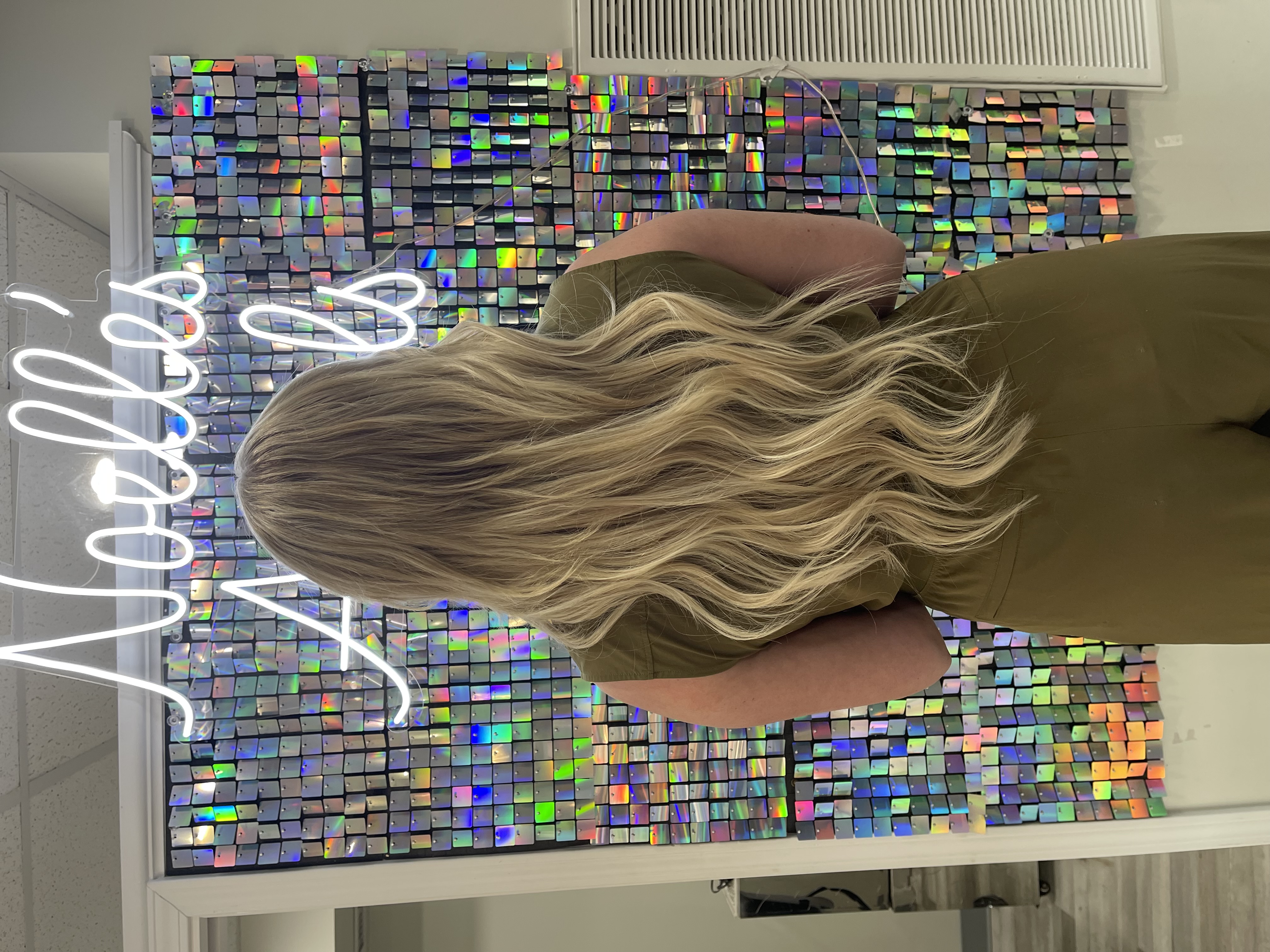
Balayage is a decades-old hand-painting method shaped by fashion and film—you may recall “Carrie Bradshaw” on Sex and the City wearing airy waves, softly shaded from deeper roots to light ends. Today, the technique includes everything from barely-there brightening to bold ribbons of light woven through a dimensional base. Many clients opt for a natural balayage with complementary tones; for example, warm brown hair paired with golden highlights just a few levels lighter than the base. Short, medium, and long cuts can all benefit, and those with bobs or lobs often love how painted placement flatters their haircut’s movement.
What makes balayage unique is the artistic control a stylist has when placing light. By studying your haircut, face shape, and where the sun naturally lightens your strands, a colorist paints highlights to emphasize curves, create brightness around the face, or concentrate glow on mids-to-ends. Many pros enhance this with a root shade or “melt” that gently shifts from the root into the highlight, reducing hard lines and extending time between appointments. When subtle lift is the goal, open-air processing keeps results soft and blended. The heavier texture of clay lightener resists swelling and stays where it’s applied—perfect for clients wanting a graceful grow-out and fewer hours in the salon.
- Expert insight: Successful balayage requires brush control, saturation management, and an eye for balance so each painted piece blends with the next.
- Why clients love it: Softer demarcation, a diffused finish, and regrowth that’s less obvious—ideal if you schedule hair appointments around a busy life.
- Reflective question: Do you prefer color that looks sunlit and effortless, even a few months after your appointment?

What is foilyage, and how is it different from traditional foils?
Foilyage merges the freehand placement of a balayage with the lifting power of foils. The stylist paints lightener strategically—often leaving the roots soft—and then wraps the painted sections in foil to intensify lift. This approach preserves the diffused, low-maintenance feel of balayage while achieving brighter, lighter ends. When the goal is luminous blonde but you still want a gentle grow-out, foilyage is a smart pick. After lifting, many colorists finish with a toner and a root melt to refine the transition, erase minor imperfections, and harmonize the palette. Reverse balayage can also be used afterward to deepen select areas and sharpen contrast without sacrificing that seamless blend.
Exposing Hair Roots for a Lived-In Look
“Lived-in” hair color aims for an intentionally softened root and natural-looking dimension—your color never appears freshly stamped on. By keeping the root diffused and focusing brightness through mids and ends, your highlights look as if they’ve grown out beautifully. Maintenance is often easier, appointments are spaced farther apart, and the overall effect remains flattering as it evolves. A partial balayage can be especially budget-friendly while still delivering a noticeable change in tone and glow. What’s your tolerance for visible regrowth—do you enjoy a soft shadow at the root, or do you prefer consistent brightness from scalp to ends?
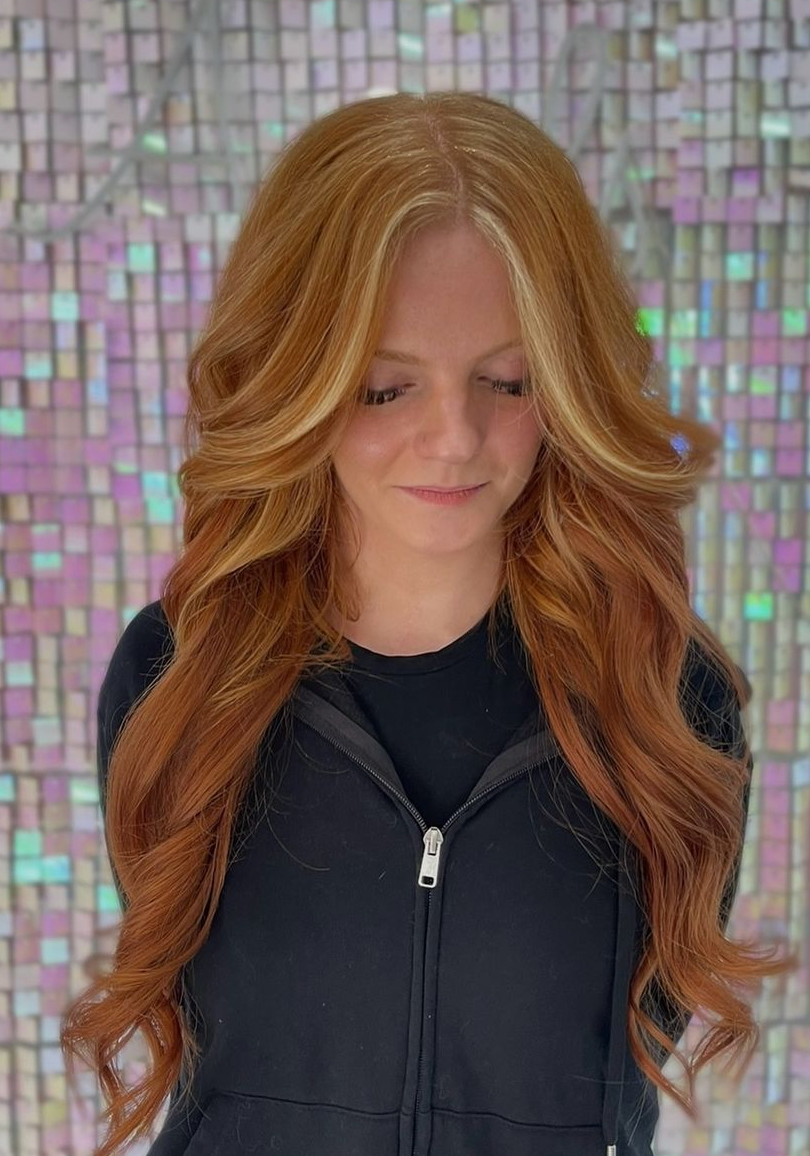
When to choose balayage vs. foils: helpful scenarios
- If your hair is dark and you want soft ribbons of warmth that grow out gently, balayage or foilyage can deliver glow without frequent touch-ups.
- If you want platinum or very light highlights with high contrast, traditional foils are typically the most efficient path to the level of lift you need.
- If your ends are already light but your base is deeper, balayage can “connect” old highlights with new hand-painted strokes for a cohesive finish.
- If you love face-framing brightness that pops in photos, foils can pack more punch around the hairline while keeping balance elsewhere.
- If you need strategic color correction—brightening some areas and deepening others—foilyage plus a root melt can refine tone and transitions.
How foil highlighting creates a traditional, high-contrast look
Foils are placed from root to ends, isolating strands so the lightener does not touch adjacent hair. Classic foil highlights and traditional highlights can be tailored from subtle to striking, but they’re best known for precise, even brightness. This control is possible because the foil locks in product saturation and traps heat, helping deepen lift—especially useful on darker bases or resistant hair types. Within a foil set, a stylist may alternate highlight and lowlight packets to build depth or choose a single tone for a cleaner, brighter outcome. The result can read as if you were naturally born lighter or as a high-impact, salon-polished change, depending on placement and processing.
- Expert insight: Technical foiling requires consistent tension, micro-sectioning for even saturation, and advanced timing control—small variables change lift dramatically.
- Why clients love it: Predictable brightness, clear visibility of progress in each packet, and the ability to target specific zones with exactness.
- Reflective question: Do you prefer crisp, luminous streaks you can see immediately at the root line?
How to avoid bleed marks when highlighting
Wrapping foils takes practice to prevent slipping and bleed lines. Lightener swells as it processes, so keeping it a fraction off the scalp inside the foil helps avoid “skunk marks.” Clean sectioning, adequate saturation, and precise folds are key. Stylists choose patterns based on the result you want—denser foils for maximum brightness, or spaced packets to leave negative space for dimension. The number of foils is guided by your desired outcome and your natural density, and it’s common to leave hair out between foils for contrast and movement.
- Pro tip: Use tight, consistent subsections; overstuffed foils slide more easily.
- Pro tip: Angle foils around the face to flatter your haircut and enhance brightness where light naturally hits.
- Pro tip: Wipe and re-fold if any seepage occurs; prevention beats correction.
A cool way to go ultra-blonde without on-the-scalp bleach
The Platinum Card hair foil technique
The “Platinum Card” method places foils back-to-back with no hair left out. It’s a strategic alternative to an immediate double-process, offering more control and often reducing the risk of breakage. After processing to the desired color, the hair is rinsed and dried; then, if needed, the stylist applies bleach at the roots to perfect brightness. This stepwise approach gives the colorist a chance to assess integrity and tone mid-service. For those with varied color history or multiple tones through mids and ends, the Platinum Card can create a cleaner canvas prior to final toning. Some clients still choose to keep a slightly deeper root for dimension and easier maintenance. Although time-intensive, it may only be necessary once or twice per year depending on your goals and how light you want to be.
Expert perspective: Meticulous foil placement and timing allow the stylist to control the lift at each zone of the head. Combining this with thoughtful toning and a potential root shadow helps maintain a sophisticated finish rather than a flat, single-note blonde. Ask yourself: Do you want the brightest possible result now, or a gradual journey that protects your hair’s feel and movement?

Upkeep, tone, and maintenance rhythms
Balayage typically grows out softly, so many clients stretch appointments longer and rely on glosses to refresh tone. Foils often require more regular touch-ups to keep the root line bright and consistent. Foilyage sits in the middle—brighter than open-air painting, softer than classic foils. Whichever path you choose, a customized home-care plan helps preserve tone and shine.
- Between visits: Use color-safe shampoo, deep-condition regularly, and protect hair from heat with a thermal primer.
- Tone management: Glosses or toners extend vibrancy and neutralize brass; your stylist will recommend a cadence based on your water, lifestyle, and sun exposure.
- Maintenance mindset: Consider your calendar—do you enjoy frequent refreshes, or do you prefer color that looks intentional as it grows?
Question for you: How often do you like to maintain your color, and what at-home routines (masks, heat protectants, bond builders) keep your hair feeling strong?
Checklist for choosing between balayage and foils
- Desired finish: Soft and sunlit (balayage/foilyage) or bright and high-contrast (foils)?
- Regrowth preference: Natural shadow at the root or brightness to the scalp?
- Lift level needed: Subtle glow or maximum blonding?
- Hair history: Previous color or banding may benefit from foilyage or a Platinum Card to even out tones.
- Time and budget: Longer services can reduce frequency; shorter sessions may require more frequent visits.
- Styling habits: If you often wear your hair wavy or textured, balayage’s diffusion enhances movement; if you prefer sleek styles, foils’ precision can pop.
- Personal brand: Do you want “effortless” or “editorial” brightness? Choose the method that aligns with how you present yourself day to day.
Special advice on lightening hair
If your hair is already colored, work with a professional to plan the safest path to your target shade. Lightening over existing dye may require a careful removal process and a phased approach to protect integrity. Trends come and go, but healthy hair is always in style—take the right precautions, pace your blonding journey, and align on expectations before starting. A thoughtful consultation, strand tests where appropriate, and a realistic maintenance plan can make your transformation both exciting and stress-free.
How to select the right colorist for your balayage
Browsing social media can help you find stylists who specialize in balayage hair color. Look for portfolios that show clean blends, balanced brightness, and consistent results on hair similar to yours. Ask about continuing education and technique training—many colorists share their certifications or post images and videos from advanced classes. During a consultation, notice whether they ask about your maintenance goals, previous color, and daily styling routine—these clues signal a tailored approach.
Quick-reference: balayage vs. foils at a glance
- Technique
- Balayage: Freehand painting; often open-air processing; clay lightener stays put.
- Foils: Isolate strands in aluminum; controlled environment and added heat.
- Foilyage: Painted placement wrapped in foils for stronger lift with blended ends.
- Result
- Balayage: Natural, diffused, sun-kissed transitions with softer demarcation.
- Foils: Crisp, even brightness and potential for high contrast from root to tip.
- Foilyage: Brighter mids-to-ends than open-air painting, with a gentle grow-out.
- Maintenance
- Balayage: Longer gaps between appointments; glosses to refresh tone.
- Foils: More frequent retouches to maintain root brightness and uniformity.
- Foilyage: Moderate cadence; toning and root melts refine the finish.
- Best for
- Balayage: Low-maintenance lifestyles, movement-focused cuts, and subtle transformation.
- Foils: Maximum lift, precise face-framing, and bold, luminous highlights.
- Foilyage: Clients who want a brighter blonde with a lived-in feel.
Conclusion
Balayage, foilyage, and foils are all paths to beautiful highlights—the right choice depends on the finish you love, the lift you need, and how you prefer your color to grow. Balayage delivers a natural, blended glow with softer regrowth. Foilyage pairs painted placement with the power of foil for brighter ends and a gentle transition. Traditional foils offer the most precision and punch, ideal for high-impact brightness or platinum journeys. Consult with your colorist, evaluate your hair’s condition, and map out upkeep before you begin. Which technique has given you your favorite results, and what maintenance tips keep your color looking fresh? Book a balayage hair color.


