

Why Hair Extensions Don't Mix with Jerry Springer's Dramatic Showdowns
The Jerry Springer show thrives on explosive confrontations: sudden catfights, hair-pulling, and clothes tearing as feuds spill over in front of a live audience. In that chaos, hair extensions in Boston take the brunt of the damage. Why do guests still show up in long, glamorous looks when there’s a strong chance someone will grab a handful and yank? It’s painful, it’s expensive, and it’s a fast track to breakage—extensions make an already risky situation even worse. Watching good hair get torn from the scalp is tough—when the format all but guarantees a tussle that targets anything easy to grab, why put our aesthetics at risk in the first place?
What Are Hair Extensions?
Hair extensions are added strands—made from human or synthetic fiber—attached to natural hair to create extra length, thickness, or volume. Common types include tape-in extensions, sew-in extensions, keratin bonds, micro links, and clip-in extensions. Each technique attaches differently and requires distinct maintenance, but they all rely on secure attachment points that can be stressed by tugging. Installed and maintained properly, these methods are safe in daily life; in high-conflict settings, those same points become targets. If the goal is a fuller, camera-ready look, extensions deliver—but on a stage built for brawls, they can quickly become liabilities. Wouldn’t you rather protect your natural hair than risk it during a televised showdown—and is it really worth compromising the integrity of your natural hair for a few moments of on-camera glamour?
Types of Hair Extensions: Tape-in, Sew-in, Keratin Bonds, and Clip-in Extensions
Extensions come in several formats, and the choice often depends on budget, lifestyle, and desired styling. Here is a brief, practical breakdown:
- Tape-in extensions: Pre-taped wefts that sandwich small sections of hair; quick to install, but vulnerable to slipping if tugged or soaked in oils.
- Sew-in extensions (weaves): Wefts sewn onto braids; secure for daily wear, yet still susceptible to painful pulling in a fight.
- Keratin bonds: Individual strands fused to hair with keratin; discreet and long-wearing, but harsh yanks can pull on the root and break bonds.
- Micro links: Beads that attach without adhesive; lower heat exposure, though tension can still strain the scalp.
- Clip-in extensions: Temporary pieces you can remove before risky activities; the most forgiving option if there’s any chance of a confrontation.
All deliver instant transformation, but none are “fight-proof.” If you knew a scuffle might break out, which type would you trust to keep both your scalp and style intact?
Guest Dynamics and Why Drama Targets Hair
Springer’s guests arrive with combustible stories: secret relationships exposed, online deceptions confronted, and commitments stretched to breaking. Some confrontations involve transgender partners navigating difficult disclosures; others center on cheating and mismatched expectations. Producers gather everyone, then pack ten minutes with tension so emotions boil over. When the arguments peak and there’s long hair on stage, the most vulnerable element is often the easiest to grab—hair extensions—so strands, bonds, and wefts take the hit as tempers flare. In an environment built to provoke, is it any surprise the first instinct is to pull hair—or that, as viewers, we rarely pause to consider the consequences of these fashion choices in such high-stakes scenarios?
Risks of Hair Extensions on Reality TV
A ratchet wig or a cheap costume piece might actually fare better in a melee. The most expensive, high-quality weft hair extensions often show up during segments like “Stripper Wars,” likely because those guests can invest in premium hair. I once watched a smaller dancer ambushed by someone twice her size, who ended up with a fistful of keratin bonds ripped clean out. There may have even been blood. Personally, I’d choose a wig and safeguard my real hair—though I wouldn’t step onto that stage in the first place. Clip-in extensions are at least easier to remove and less painful when torn free, making them a smarter alternative when risk is in the air. With all the shouting and shoving, what compensation could possibly balance out the humiliation—and the hair loss?
A full head of human Remy hair extensions ranges in price from $500 to $2000. Losing that investment in seconds is like driving a Ferrari into a demolition derby. The pain isn’t just financial, either—root trauma, shedding, and breakage can linger long after the cameras stop rolling. If a heated confrontation is even a remote possibility, wouldn’t a low-stakes style be the wiser choice?
Other Reality TV Arenas Aren’t Safer
I eventually switched to watching The Maury Show; people roll on the floor waiting for paternity results, but it still beats seeing healthy hair ripped out for shock value. Bad Girls Club can be harsher: fights escalate fast, and pricey weaves end up trampled as onlookers step directly on fallen extensions. The pattern is predictable—high tensions plus long hair equals damage. If a format is designed for dramatic reveals and impulsive reactions, why risk premium hair that can’t possibly win a brawl?
Hypothetical Scenarios That Spell Trouble
Imagine two guests arguing over a betrayal. One lunges and grips a tape-in extension—half the panel detaches, taking some natural hair with it. Another scene: someone wearing keratin bonds is shoved, someone grabs a bonded strand near the nape, and the sudden torque pulls at the root, causing tenderness for days. Or picture a sew-in extension catching on a ring during a scuffle; the snag tugs at the braid foundation and compromises the install. In each case, the dramatic setting turns beauty enhancements into liabilities. If damage is that foreseeable, isn’t prevention the smartest strategy?
Hair Extensions Background
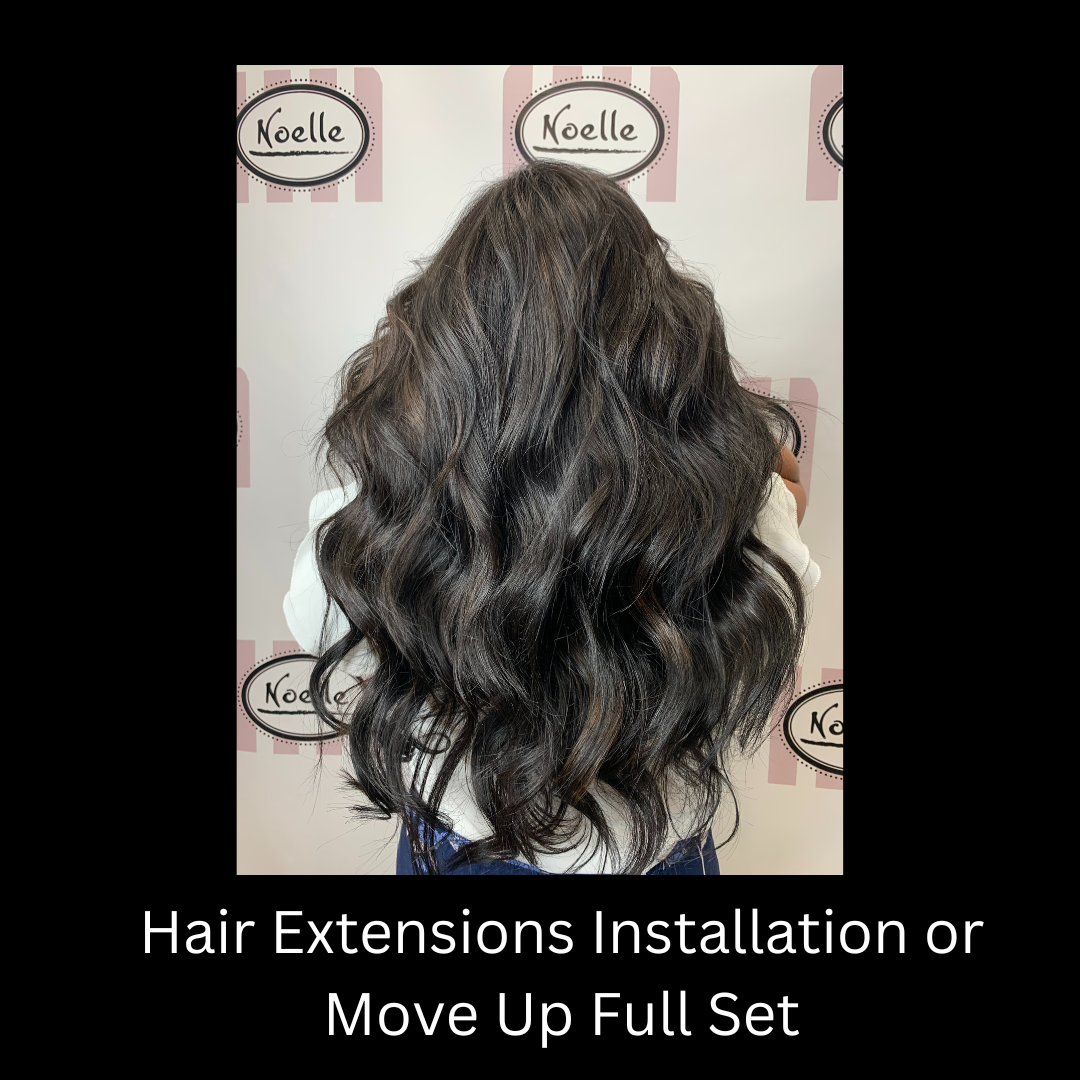
At Noelle Salon, we assess natural hair, listen to styling goals, and color-match for a seamless finish. We use human hair extensions such as 100% Remy human hair and Virgin Hair, selected to suit texture and lifestyle. Hair extensions work for short hair or for adding dramatic length, and we install a range of methods including tape-in extensions, clip-in extensions, keratin bonds, and our Veila Hair Extensions (micro link method) for easy care. Styling can be tailored—flat-ironed sleek, enhanced natural texture, or defined curls. If you want a quick change for a day, a clip-in ponytail extension can instantly refresh your look. With protective styling and regular maintenance, your natural hair can be supported while enjoying extensions. You can transform your style in a single appointment—explore what’s possible and choose what keeps your hair healthiest; isn’t long-term hair integrity worth more than a fleeting on-stage aesthetic?
Conclusion: Choose Styles That Can Withstand the Drama
Reality TV thrives on tension, and hair extensions are prime casualties when chaos erupts. Tugging compromises bonds, strains the scalp, and ruins a costly investment. If you know you’re heading into a volatile setting, consider a strategic alternative: wear a secure wig you can remove later, opt for clip-in extensions you can take out before taping, or choose simpler braids and low-tension styles. Beautiful hair should be a confidence boost, not collateral damage in a staged brawl. Do the risks of wearing hair extensions outweigh the aesthetic benefits in such dramatic environments?
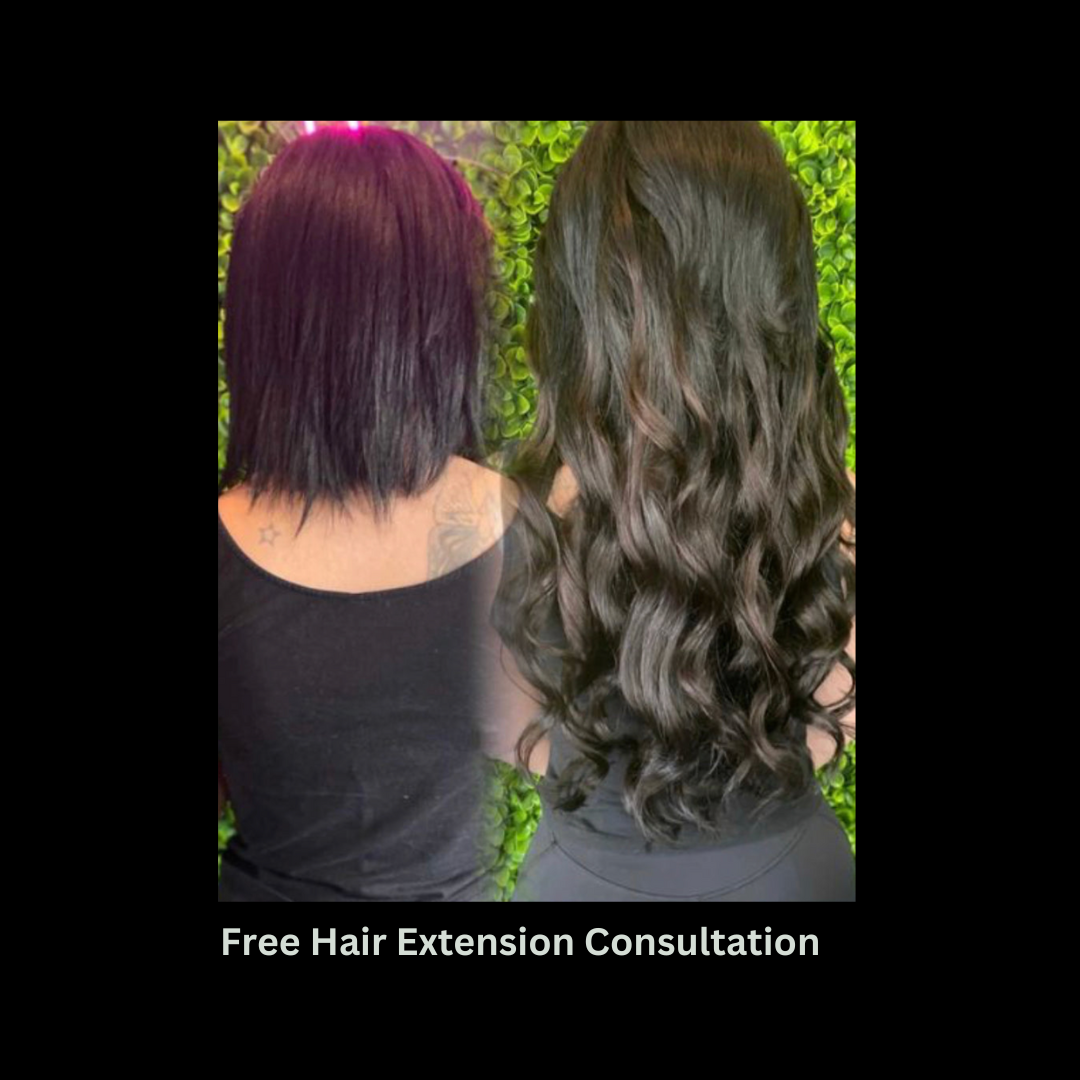
If you want extensions that look great and hold up to real life—not reality TV chaos—you can book a free hair extension consultation to find the right method for your lifestyle.


