

Essential Products to Avoid for Long-Lasting, Healthy Hair Extensions
Choosing the right extension care products is only half the battle—knowing which products to avoid is just as critical for hair extension maintenance, damage prevention, and the longevity and look of your hair extensions. Some ingredients can immediately break down attachment points, others slowly degrade color and texture, and a few can cause discoloration that is hard to reverse. The guidance below applies to keratin bond, tape hair extensions, hand-tied wefts, and Veila Pull-Thru so you can protect your investment and keep your style looking fresh.

Why avoiding certain products matters for extension health and damage prevention
Hair extensions often begin as naturally dark hair that is lifted through a controlled decolorization process for consistent color matching. Rather than conventional hair dye, many extensions are toned with textile dyes to achieve precise shades. While these methods create beautiful results, they also change how extensions respond to everyday products. What works well on natural hair can overwhelm processed extension fibers, loosen bonds, or leave the hair dull, matted, or brittle. Understanding these differences helps you sidestep damage before it starts. Prioritizing gentler, chemical-free products can further support safe, daily care.
Know your hair extension type
A quick overview explains why product choice matters:
- Keratin bond extensions: Individual strands are attached using a keratin-based tip that is softened and fused near the root. These bonds are sensitive to oils, alcohols, and harsh detergents that can weaken or degrade the attachment.
- Tape hair extensions: Small wefts are secured with adhesive tape. Oily or solvent-heavy products can cause slippage, while strong surfactants may lift the adhesive prematurely.
- Hand-tied wefts: Lightweight wefts are sewn to a beaded foundation. Though there’s no glue, drying or tangling ingredients can roughen the hair and cause matting between rows.
- Veila Pull-Thru: Wefts are secured through silicone-lined micro passages without heat or glue. Slip-inducing products can loosen the hold, and high-detergent shampoos can cause dryness along the lengths.
Each method has unique attachment points and care needs, so the same product can be fine for one technique and harmful for another. Which method do you wear, and do your products align with its hair extension maintenance recommendations?
Protein products: proceed with caution
Protein can be beneficial in small, occasional doses, but consistent exposure from shampoos, conditioners, and leave-ins often dries out hair extensions. Extensions typically cannot regulate moisture like your natural hair, and an overload of protein can leave them stiff and fragile. In some cases, a single professional keratin treatment may smooth fiber texture; however, frequent use of protein-rich products usually leads to dryness and breakage.
Definition check: “Hydrolyzed” means a larger protein is broken down into smaller particles that bind with water and penetrate more deeply into hair. This deeper penetration can be too intense for processed extensions.
Scan your labels for common protein additives often listed as:
- Hydrolyzed wheat protein
- Hydrolyzed milk protein
- Hydrolyzed collagen
- Casein
If you spot these in multiple steps of your routine, try reducing frequency or choosing formulas with moisturizing ingredients safe for extensions instead. Do your current shampoo, conditioner, and leave-in all contain hydrolyzed proteins?
Formaldehyde and hidden risks in smoothing services
Some keratin smoothing products, especially those sourced outside regulated markets, may contain formaldehyde or chemicals that release it. While your natural hair might endure gradual damage from such exposure, hair extensions can be compromised rapidly. Always receive keratin services in a professional salon, request a clear ingredient list, and confirm the product details with your stylist.
Definition check: A “keratin treatment” is a salon smoothing service designed to reduce frizz and add shine by coating the hair with a keratin-rich formula and sealing it with heat. On extensions, only stylist-approved, extension-safe options should be used, and frequency should be carefully managed. Before scheduling any smoothing service, have you verified that the formula is extension-safe and free from formaldehyde-releasing agents?
Sunscreens with avobenzone: watch for discoloration
Blonde extensions turning brassy or developing orange streaks often point to avobenzone, a common sunscreen filter. When avobenzone interacts with elements like sun and water, it can set off reactions that affect the dye in processed hair. After several washes, minerals such as copper, magnesium, and iron can deposit onto the hair, compounding the discoloration.
To address mineral buildup, stylists often reach for a targeted chelating treatment; for warm, oxidized tones, a gentle violet-based toner can help counteract the orange cast. The key is damage prevention: avoid letting avobenzone-based products sit on or transfer to extensions, especially around the ends. Does your daily sunscreen or leave-in contain avobenzone that might be brushing against your hair?
What may seem obvious—but still causes damage
Some ingredients are notorious for drying, fading, or degrading extension attachments. If a product includes one or more of the below, treat it with extreme caution or skip it entirely:
- Parabens
- Sulfates
- Alcohol (especially high on the ingredient list or in aerosols)
- Hair bleach
- Chlorine
These culprits can break down bonds and adhesives, roughen the cuticle, and leave hair extensions dry, matted, and more prone to snapping. If you swim, protect your hair from chlorinated water; if you use aerosols, be mindful of overspray that can hit attachment points. When possible, opt for gentle, chemical-free products as safer day-to-day choices.
Ingredient label checklist for extension-safe shopping and extension care products
Use this quick checklist when evaluating products for hair extension care:
- Attachment-friendly: Avoid formulas that list heavy oils or solvents near the top of the label if you wear keratin bond, tape-in, or pull-thru methods.
- Low-detergent cleansing: Prefer gentle, sulfate-free cleansers that won’t strip moisture or fade color-treated fiber, and look for moisturizing ingredients safe for extensions.
- Protein balance: If a product includes multiple hydrolyzed proteins, limit how often you use it on extensions.
- No formaldehyde risks: Skip smoothing products with formaldehyde or formaldehyde-releasing ingredients.
- Sunscreen awareness: Keep avobenzone off your hair, especially blondes; apply skin sunscreen carefully and clip hair up until it dries.
- Mineral defense: After ocean or pool exposure, rinse thoroughly and consider a stylist-approved chelating wash when discoloration appears.
- Alcohol caution: Minimize drying alcohols, particularly in sprays, mousses, and quick-dry stylers that can reach roots and bonds.
- Stylist guidance: When in doubt, bring products to your appointment for an ingredient check before using them at home.
As you compare labels, which single change—reducing protein, swapping your shampoo, or changing your sunscreen habits—would most benefit your extensions right now?
Scalp and bond care habits for hair extension maintenance
Technique matters as much as ingredients. A thoughtful routine helps extend wear and maintain a smooth, tangle-free look across methods:
- Detangle gently: Start at the ends and work upward with a soft bristle or extension-specific brush, supporting the attachment area.
- Keep attachment points clean: Residue at the roots can cause slippage. Cleanse the scalp thoroughly with a gentle, bond-safe shampoo.
- Dry with care: Squeeze with a microfiber towel and dry bonds before lengths to prevent swelling or loosening at the base.
- Heat styling: Use moderate heat and a heat protectant on the mid-lengths and ends; avoid direct heat on bonds, tapes, or pull-thru points.
- Night routine: Braid or secure hair in a loose, low ponytail to minimize friction and matting.
Looking at your routine, where could you be more careful—at the scalp during cleansing, at the ends when detangling, or around the bonds when heat styling?
Clarifying the difference between natural hair and extensions
Because of decolorization and dye processes used for extensions, they do not behave like untreated hair. They cannot self-replenish oils from the scalp, and their colorants react differently to sun, minerals, and chemical filters. A product that leaves natural hair glossy may leave extensions coated, brittle, or discolored. Keeping this in mind helps you tailor your kit without sacrificing shine or softness. Are you choosing products for how they work on your natural hair or how they perform on processed extension fiber?
Hair extensions background and styling considerations
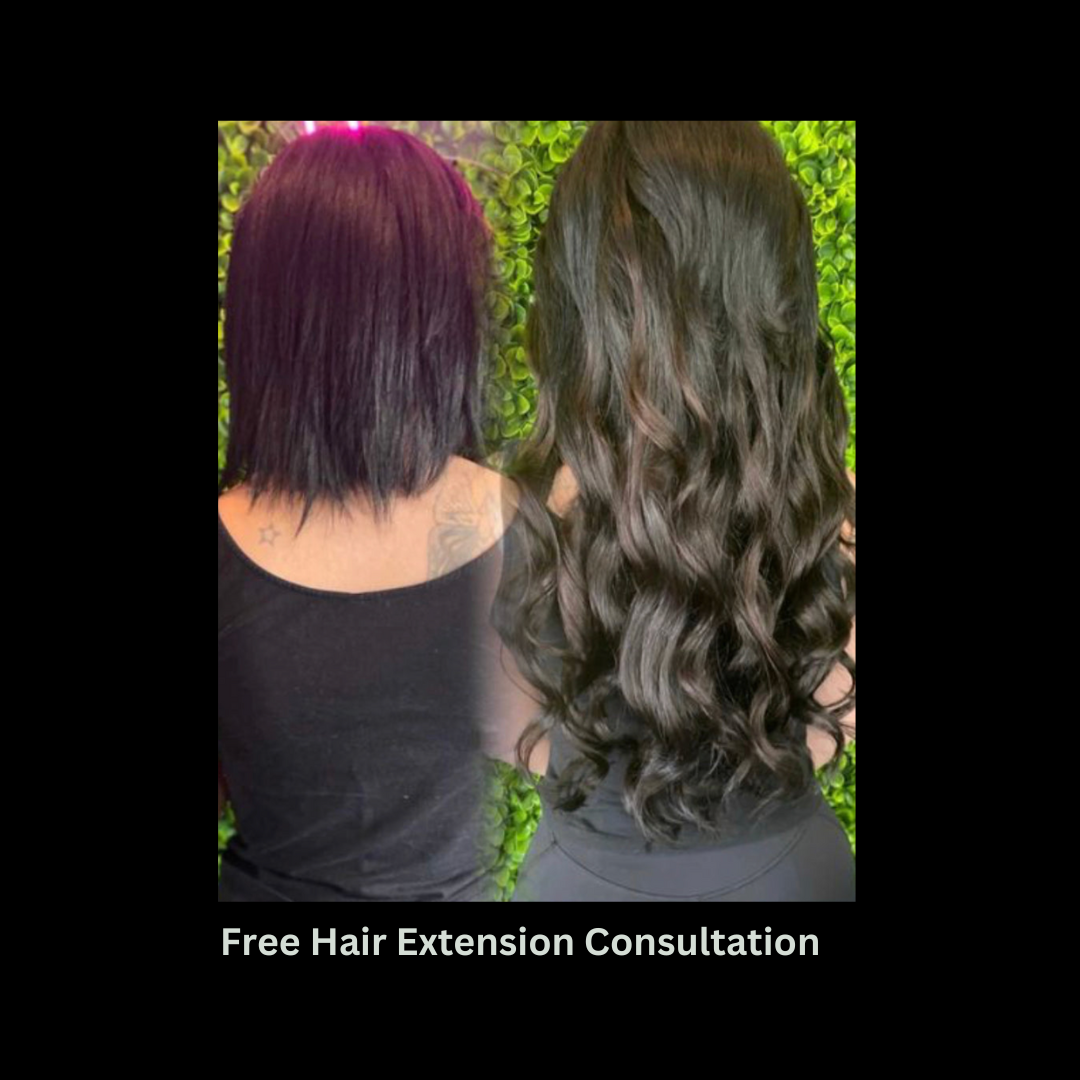
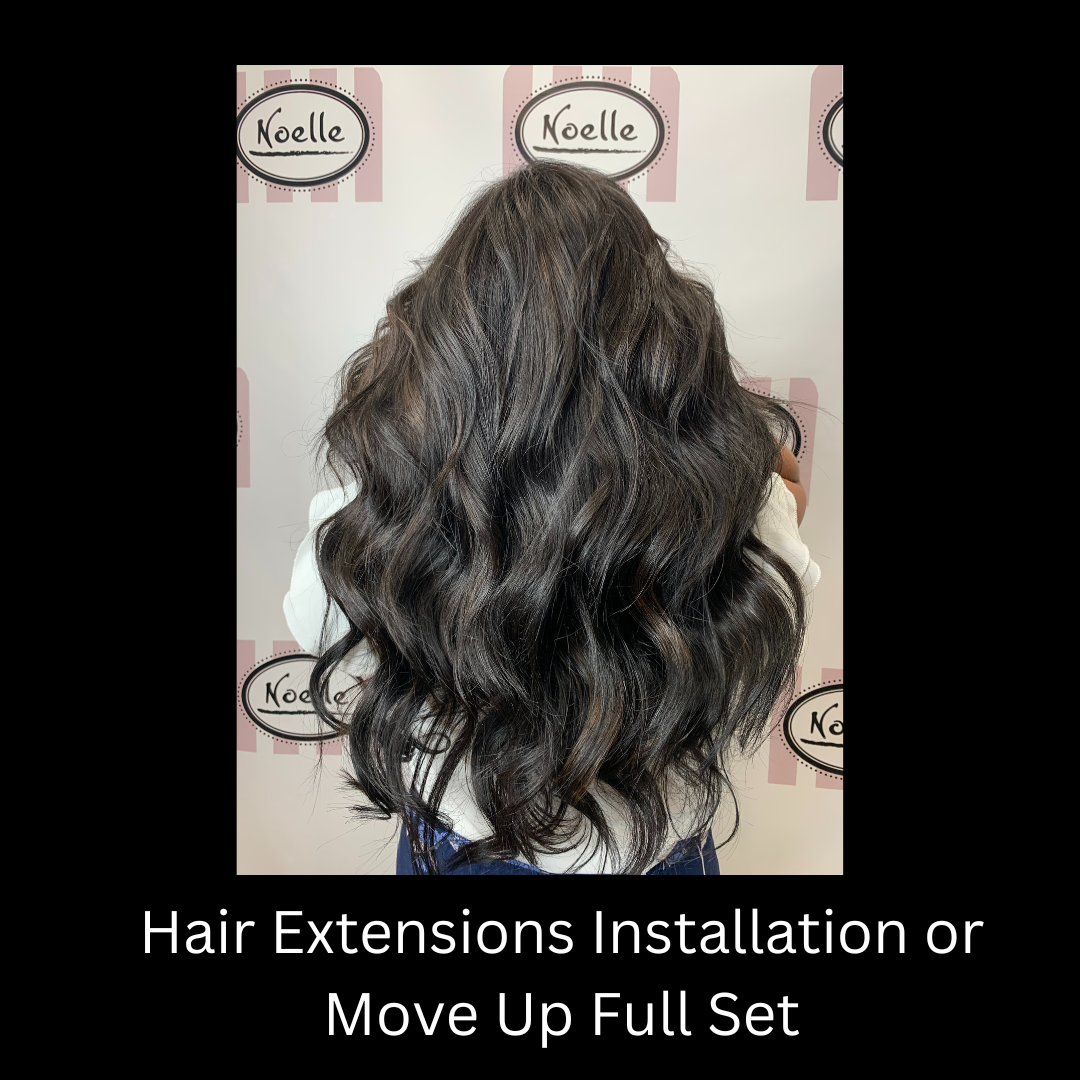
At Noelle Salon, we assess natural hair health, align with your styling goals, and color match with precision. We prefer high-quality human hair, including 100% Remy human hair and virgin hair, chosen for realistic movement and finish. Extensions can enhance short styles or add dramatic length—whether you love sleek strands from a flat iron, natural bends, or defined curls. We work with varied methods like tape-in extensions, clip-in hair extensions, keratin-based options, and our easy-to-maintain Veila Pull-Thru. From an everyday look to a quick-change clip-in ponytail, premium hair extensions expand styling possibilities when paired with protective practices and regular hair extension maintenance. With the right routine, you can transform your look in a single day while supporting healthy hair growth underneath.
Product safety recap and next steps
To keep your extensions looking their best, avoid routine overload of hydrolyzed proteins, formaldehyde-containing smoothing products, avobenzone-based sunscreens that discolor blonde tones, and irritants such as parabens, sulfates, alcohol-heavy sprays, hair bleach, and chlorine. Choose gentle cleansers, bond-safe stylers, and mindful application techniques that protect adhesives, links, and wefts, and prioritize extension care products with moisturizing ingredients safe for extensions; when possible, opt for chemical-free products for added damage prevention. When choosing between keratin bond, tape-in, hand-tied wefts, or Veila Pull-Thru, align your home care with the method’s specific needs to prevent slippage, dryness, or matting.
For tailored advice, consult your stylist, bring in product labels, and ask questions before you buy. Your care routine should evolve with your extension method, color, lifestyle, and styling habits. What has helped—or challenged—your hair extension care most recently?
We welcome your experiences and questions. Share what has worked, products you’ve retired, and any troubleshooting tips that kept your hair extensions soft, smooth, and secure. Your feedback helps others build a safe, reliable routine—and inspires better choices for beautiful, long-lasting results.


